Understanding Irradiance and Practical Application of Red Light Therapy
mW/cm², Joules, and Therapeutic Dosage
Understanding Irradiance and Practical Application of Red Light Therapy
Nowadays, any red panel seems like "light therapy." But there's a critical detail that separates truly therapeutic equipment from simple decorative lights: the actual ability to deliver useful biological energy to cells.
This is where two fundamental concepts of modern photobiomodulation come into play: mW/cm² (irradiance) and Joules/cm² (energy dose).
If you've never quite understood what these numbers mean — or why some lights work much better than others — this article will clarify everything in a simple way.

What is mW/cm²?
The intensity of therapeutic light
mW/cm² stands for "milliwatts per square centimeter" and represents the intensity of light emitted at a given moment.
Simply put:
- Higher mW/cm² value → higher light intensity
- Lower value → lower therapeutic intensity
Imagine a water hose:
mW/cm² represents the pressure at which the water is coming out.
In red light therapy, this intensity is extremely important because it determines the light's ability to penetrate tissues and reach deeper cellular structures.
How is Irradiance Measured?
Currently, there are two main methods used in the photobiomodulation industry:
1. Central Point Test
In this method, a portable meter is placed at a single central point on the panel.
Although it has been the most widely used method for many years, it has an important limitation: it measures only a specific point of the emitted light and does not represent the actual distribution of energy over the entire therapeutic area.
2. Area Test by Professional Spectrometer
This is currently the most advanced and rigorous method.
A calibrated spectrometer measures multiple points of the panel's emission area, calculating a more precise average of the actual irradiance delivered to the user.
Advantages:
- Greater accuracy
- Better therapeutic control
- More reliable dosage
- More consistent results
What are Joules/cm²?
The total energy dose received
While mW/cm² measures the instantaneous intensity of light, Joules/cm² represents the total amount of energy received over time.
That is:
- mW/cm² = speed of energy delivery
- Joules/cm² = total dose received by cells
Returning to the hose example:
- mW/cm² = water pressure
- Joules = total amount of water received
In practice:
- Low dose → reduced results
- Excessive dose → lower biological efficiency
- Correct dose → better cellular response
It is precisely for this reason that therapeutic protocols are so important in modern photobiomodulation.
Why the Distance to the Panel Makes All the Difference
One of the most overlooked factors in red light therapy is the distance to the panel.
The closer you are:
- the higher the intensity (mW/cm²)
- the smaller the covered area
The further away:
- the lower the intensity
- the greater the body coverage
This means that the same light can produce different effects depending on the distance of use.
How to Use Red Light Therapy More Efficiently
Superficial therapy and skin
For more superficial applications, such as skin wellness and rejuvenation:
- greater distance
- lower intensity
- gentler sessions
Deep tissues and muscle recovery
For muscular and deep tissue applications:
- closer distance
- higher irradiance
- higher energy density
What is the Ideal Usage Time?
Although protocols may vary according to the therapeutic objective, a widely used general reference is:
- 10 to 20 minutes per area
- 3 to 5 times per week
- clean skin and no clothing over the treated area
In more intense applications, it is recommended to start gradually and progressively adjust the distance and duration according to individual adaptation.

Why Not All Red Lights Work the Same Way
Here is one of the biggest misconceptions in the current market:
confusing "red light" with real therapeutic photobiomodulation.
The effectiveness of the therapy depends on several technical factors:
- correct wavelength
- adequate irradiance
- spectral stability
- quality of LED diodes
- control of energy dose
- consistency of light emission
Without these factors, the light may not reach the therapeutic energy necessary to stimulate relevant cellular mechanisms.
The Role of Photobiomodulation in Cellular Energy
Red and near-infrared (NIR) light therapy primarily acts at the mitochondrial level.
Light photons are absorbed by specific cellular structures, promoting processes associated with:
- ATP production
- nitric oxide (NO) modulation
- circulation
- cellular communication
- oxidative balance
- recovery and regeneration
It is precisely this photobiological interaction that makes photobiomodulation one of the most studied wellness and longevity technologies today.
ATTENTION
Common light panels do not have the power or the correct wavelength to activate mitochondria.
TheraFactor® TheraPRO Panels use high-precision dual diodes, protected against EMF and with exact emission in the therapeutic ranges.
Your Body Produces Energy Every Day
The question is: are you really giving your cells the right conditions to function at their maximum potential?
Thousands of people have already started integrating photobiomodulation into their daily routine for recovery, well-being, performance, and longevity.
The difference between waiting for the body to recover on its own... or giving it the right stimuli to function better... can start with just a few minutes a day.
Discover the TheraFactor® TheraPRO line and understand why light quality makes all the difference.
Superior Quality & Design
TheraFactor® Series
-

TheraPRO Series | Red and Infrared Light Therapy Panel
TheraPRO Series - The Most Advanced Red Light Therapy Panel Solution in Portugal...
-

TheraLUMI Series | Red Light and Infrared Therapy
Benefits of the TheraLUMI FaceMesh Series LED Red Light Therapy Facial Mask...
-

TheraSPA Series | Red Light and Infrared Therapy
TheraSPA Series – Professional Solutions for Clinics and SPAs The TheraSPA collection...


More about Red Light Therapy <->
-
Benefits
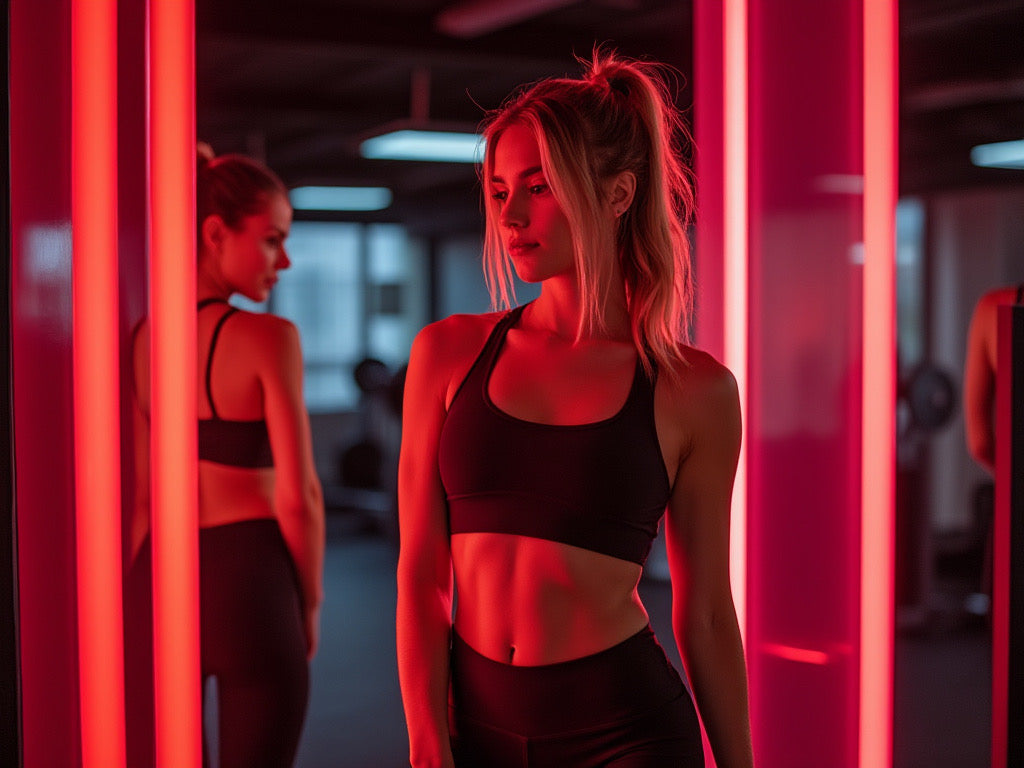
LEARN MORELED and near-infrared (NIR) light therapy naturally stimulates the production of ATP (adenosine triphosphate) directly in the mitochondria of the body's cells, a key element in cell regeneration. As a result, red light therapy offers a safe and painless treatment to aid in faster healing, immune system strengthening, improved skin health, muscle recovery, and much more.
-
How it Works
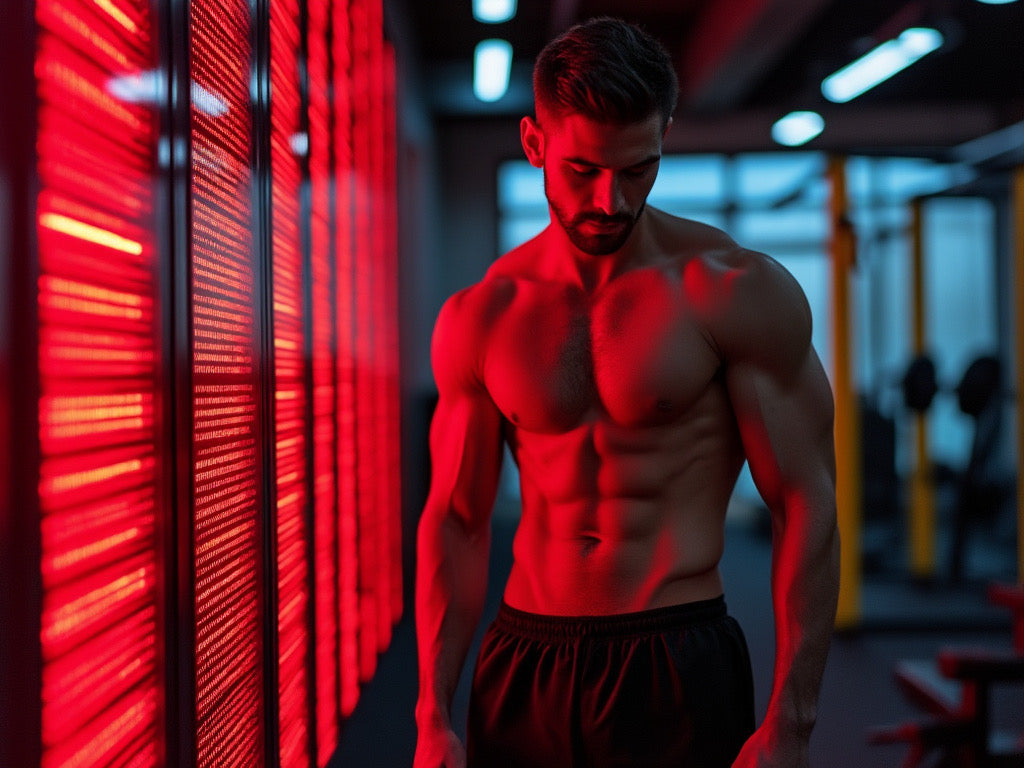
LEARN MORERed light therapy, also known as photobiomodulation, involves the use of red or near-infrared (NIR) light to stimulate biological processes and promote tissue healing and regeneration. This therapy acts at the cellular level, especially in the mitochondria, which are the organelles responsible for energy production in cells.
-
How to Use
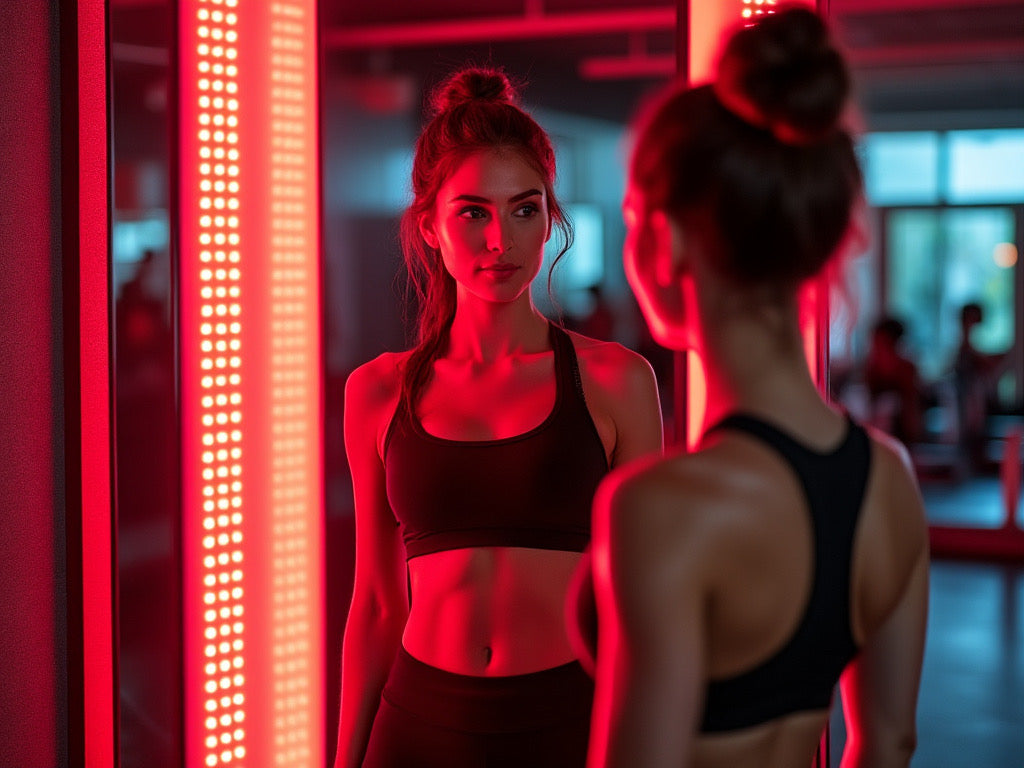
LEARN MOREProtocols and parameters for the use of red light equipment are fundamental to ensuring efficacy and safety in therapy. Correct distances, exposure times, and appropriate wavelengths ensure that the light penetrates to the necessary depth for the therapeutic objective. Proper adjustment of these parameters also prevents adverse effects, such as photoinhibition, and maximizes benefits.


Let customers speak for us
O serviço de entrega foi extraordinário: o equipamento chegou de um dia para o outro, com total rapidez e eficiência.
O aparelho corresponde a 100% às nossas expectativas. Já o integrámos na nossa rotina clínica e temos estado a testá-lo em consonância com outras terapias. Tem demonstrado resultados fantásticos e uma grande eficácia na recuperação. Recomendo vivamente!
Muito boa compra. Recomendo vivamente

Painel de excelente qualidade e com grande diversidade de programas já definidos e possibilidade de definir manualmente vários parâmetros.
Vi esclarecidas as minhas dúvidas, antes da encomenda.
É extraordinário ter um equipamento de qualidade, de fabrico nacional, disponibilidade em stock e com entrega em menos de 48h.

Buscando entre diversas marcas, encontré esta que me parece que está a primer nivel junto con otras marcas europeas, siendo mucho más económica y manteniendo la misma, si no más, calidad.
La comunicación con ellos es muy rápida y resuelven cualquier duda que tengas prácticamente en el mismo día.
Aparte de las características que anuncian, me han comentado que irán haciendo actualizaciones vía OTA con nuevos programas, según vayan apareciendo nuevos estudios.
Esto garantiza que tendremos un producto actualizado durante muchos años.
En cuanto a los resultados, todavía no los puedo comentar, ya que llevo solo pocos días utilizándolo.
Correu tudo bem com a entrega e foi fácil de montar.
Há anos que procurava um dispositivo de luz vermelha e infravermelha com todos os comprimentos de onda adequados, enviado por um fornecedor português. Até aqui, só se encontrava provindo de fora da UE com custos muito maiores pela importação e transporte. Tem sido usado frequentemente e estou muito satisfeito com a praticidade do suporte de mesa e o funcionamento intuitivo e fácil do meu TheraPRO 120.
Desde que conhecemos esta inovação, ficamos logo interessados em experimentar. Quando recebemos o nosso painel, reparamos logo na excelente qualidade do material!
Temos notado muitas melhorias! É realmente incrível como, em tão poucas sessões, temos sentido um excelente progresso!
Temos mais energia, recomendamos vivamente a todos!!!
Excelente qualidade, fácil de utilizar e com resultados quase imediatos. Recomendo vivamente este equipamento!
